
THE INFRASTRUCTURE CHALLENGE BEHIND AI GROWTH
AI adoption is accelerating, but the infrastructure that supports it is increasingly constrained.
Across hyperscale and enterprise data centres, three limits are showing up again and again:
- Available power to site is capped
- Physical footprint cannot easily expand
- Cooling systems are operating close to their limits
In this environment, adding more GPUs does not automatically translate into more usable compute. Heat has become one of the defining bottlenecks for AI performance and energy efficiency.
WHY HEAT LIMITS AI PERFORMANCE
Modern AI GPUs operate at very high power densities. As power increases, so does heat. If that heat cannot be removed efficiently, GPUs must throttle performance to stay within safe operating limits.
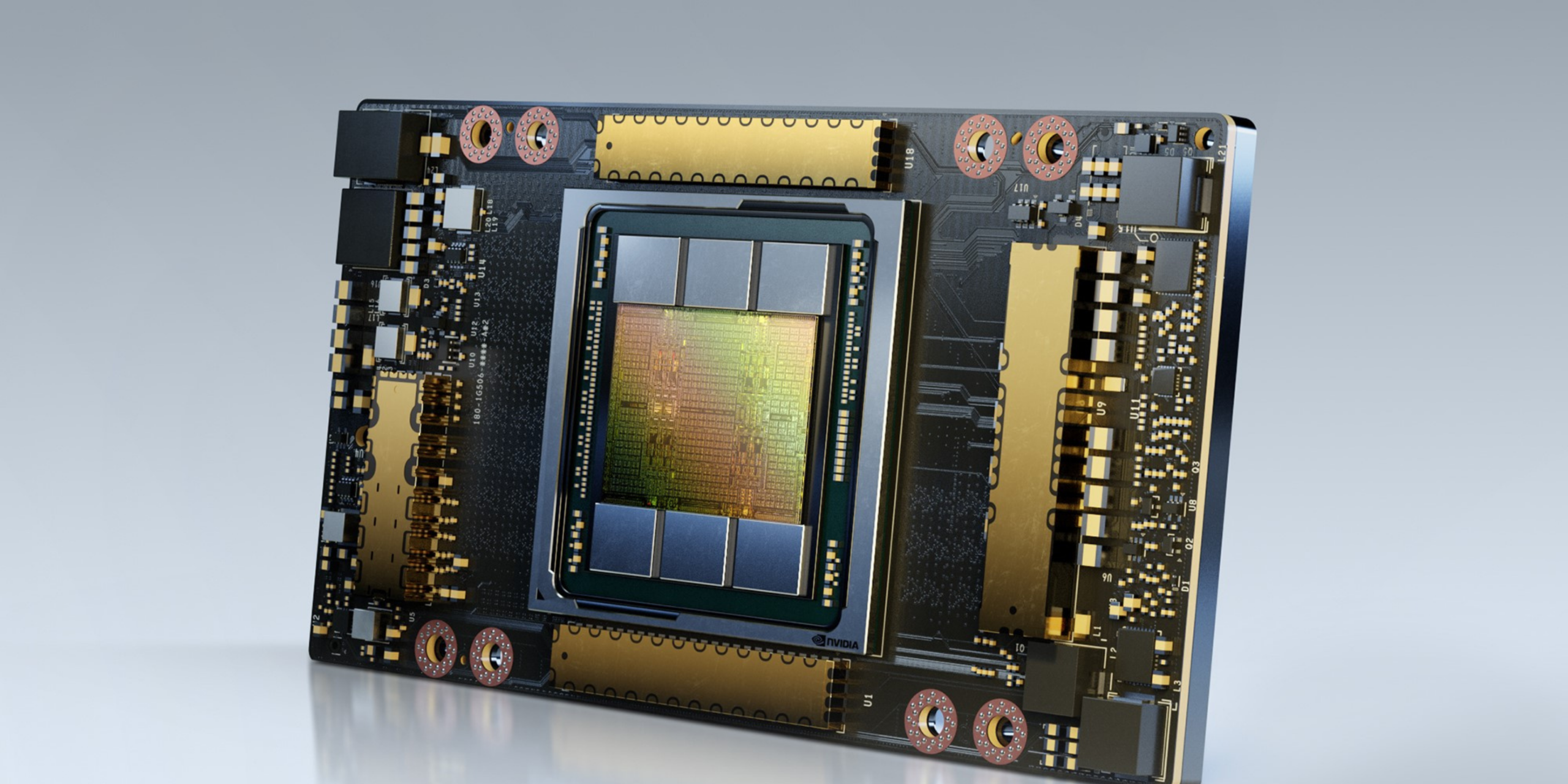
Every AI GPU module contains a thermal filler material that transfers heat away from the chip and into the cooling system. For many years, silica has been the standard material used for this purpose.
However, AI workloads generate far more sustained heat than earlier computing applications. Industry feedback and customer discussions now point to High Purity Alumina as the next generation thermal filler material for advanced AI hardware.
WHAT MAKES HIGH PURITY ALUMINA DIFFERENT
High Purity Alumina combines two properties that are critical for AI GPU applications:
- Thermal conductivity that is approximately two to three times higher than silica
- Low thermal expansion characteristics similar to silica, maintaining mechanical stability at the chip level
This combination allows more efficient heat transfer without increasing stress on sensitive semiconductor components. As a result, GPUs can operate closer to their optimal performance envelope under continuous heavy workloads.
TWO WAYS IMPROVED THERMAL MATERIALS CREATE VALUE IN AI DATA CENTRES
The adoption of High Purity Alumina as a thermal filler creates value in different ways depending on how constrained a data centre is.
SCENARIO 1: DATA CENTRES THAT ARE COMPUTE-LIMITED
Many AI data centres are constrained by available power and fixed physical footprint, while demand for compute continues to exceed capacity.
In this scenario, improved thermal performance enables more compute output from the same energy input.
According to UBS analysis cited by Alpha HPA:
- An 800W GPU module achieves approximately a 1.2 percent uplift in compute
- A 1200W GPU module achieves approximately a 1.1 percent uplift in compute
Across a deployment of 50,000 GPUs, this translates into:
- Approximately USD 3 million of incremental value for an 800W GPU fleet
- Approximately USD 4 million of incremental value for a 1200W GPU fleet
The incremental cost of High Purity Alumina compared to silica is estimated at around USD 15 per kilogram. With roughly 0.5 kilograms of thermal filler per GPU, this equates to an additional cost of approximately USD 7 to 8 per GPU, or around USD 375,000 for a 50,000 GPU deployment.
In compute-limited environments, this represents an investment with an order of magnitude return.
SCENARIO 2: DATA CENTRES FOCUSED ON ENERGY EFFICIENCY
In situations where compute capacity temporarily exceeds demand, improved thermal materials still deliver value through direct energy savings.
UBS analysis indicates annual savings per GPU of:
- IT energy savings of approximately 59 kWh for 800W GPUs and 79 kWh for 1200W GPUs
- Cooling energy savings of approximately 35 kWh for 800W GPUs and 16 kWh for 1200W GPUs
This results in total annual energy savings of approximately 94 to 95 kWh per GPU, regardless of power class.
At an assumed electricity cost of USD 0.10 per kWh, this equates to roughly USD 9 to 10 per GPU per year. Against an incremental material cost of approximately USD 7 to 8 per GPU, this delivers a simple payback period of around one year.
WHY THIS MATTERS FOR THE FUTURE OF AI INFRASTRUCTURE
As AI continues to scale, power availability and cooling efficiency are becoming defining constraints on deployment speed and economics.
In the near term, power transmission and availability are throttling hyperscaler rollouts, making the ability to extract more compute per watt increasingly valuable. Over the longer term, energy efficiency gains translate directly into lower operating costs and reduced environmental impact.
In this context, advanced materials such as High Purity Alumina play a quiet but critical role. Rather than requiring new sites or more power, they help unlock more performance from infrastructure that already exists.
At Alpha HPA, we see materials innovation as a practical and scalable lever for improving AI performance, energy efficiency, and long-term sustainability across the global data centre ecosystem.


